The Spirit of Christ continually surprises me with the 'incorrigibly plural’ nature of God's creation. Christ is ‘drunkenly various’, a vine that outgrows any trellis we might build for her. I know Christ in me, but Christ is infinitely, delightfully strange in others. The way of peace is more a spirit of curiosity and love in the midst of difference. Unity of communion doesn’t mean that our differences disappear, but they are no longer a dividing wall of hostility between us (Eph. 2:14). We remain our ‘fearfully and wonderfully made’ individual selves (Ps, 139:14), but we understand each other better.
Blog
My book has a publication date
Thank you to my readers in 2021
“Why do you call me good?”: Talking about whiteness and responsibility
At the 2021 Britain Yearly Meeting Gathering, I gave a talk and workshop on behalf of Woodbrooke called '“Why do you call me good?”: Talking about whiteness and responsibility'. This video is now freely available to watch on the Woodbrooke YouTube channel, and I thought readers of my blog might appreciate it too.
My new book has a cover
Book Review: ‘Hope’s Work’ by David Gee
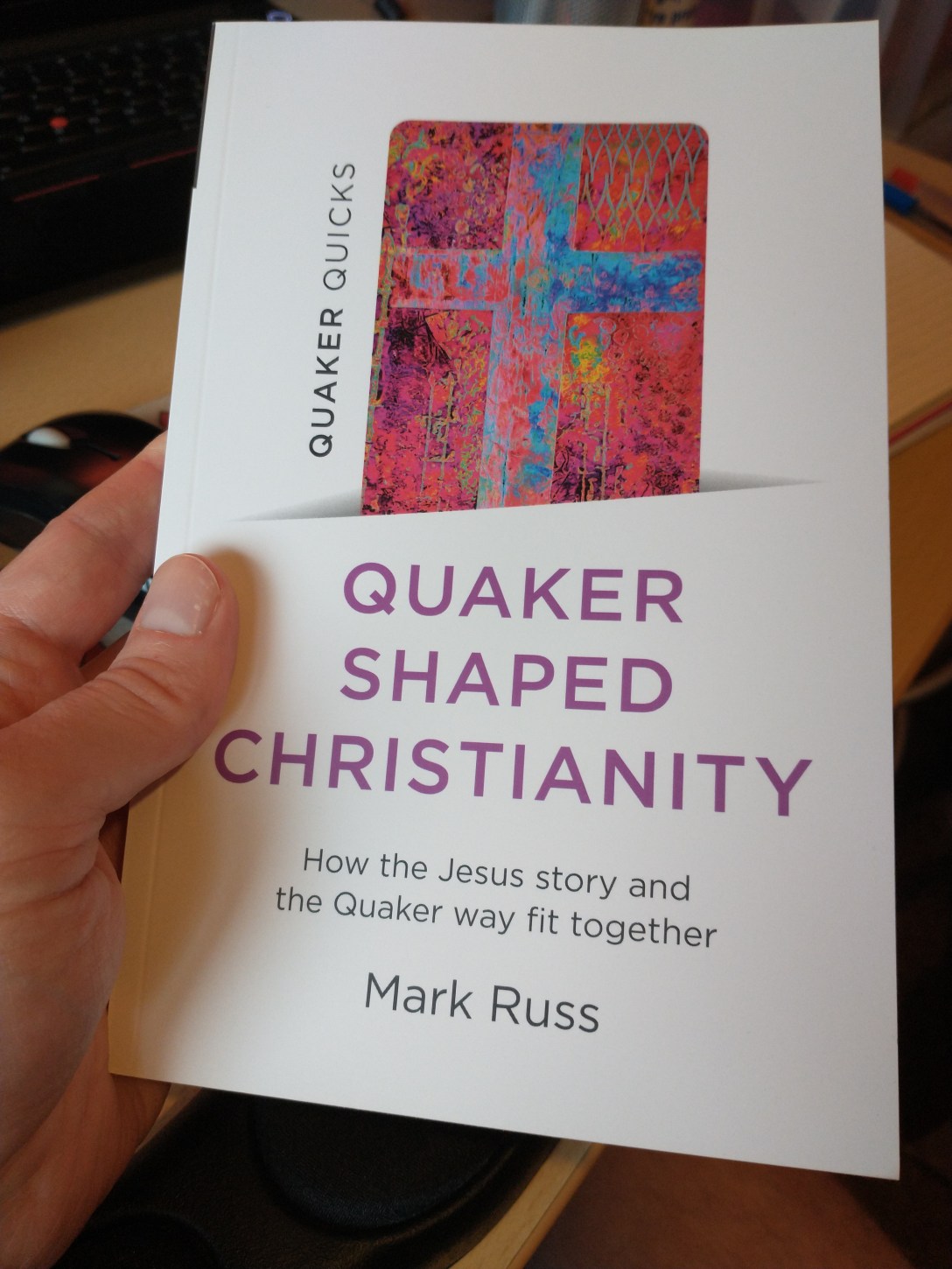
My first book – ‘Quaker shaped Christianity: How the Jesus story and the Quaker way fit together.’
Decentering ourselves: Reflections on Britain Yearly Meeting Gathering 2021
Whiteness and Quaker theological fragility
I'm pleased to announce that my article '"Why do you call me good?": Whiteness and Quaker theological fragility' has been published today in the Friends Quarterly (Issue 3, 2021). You can buy a copy of this edition here: https://thefriend.org/magazine/tfq.
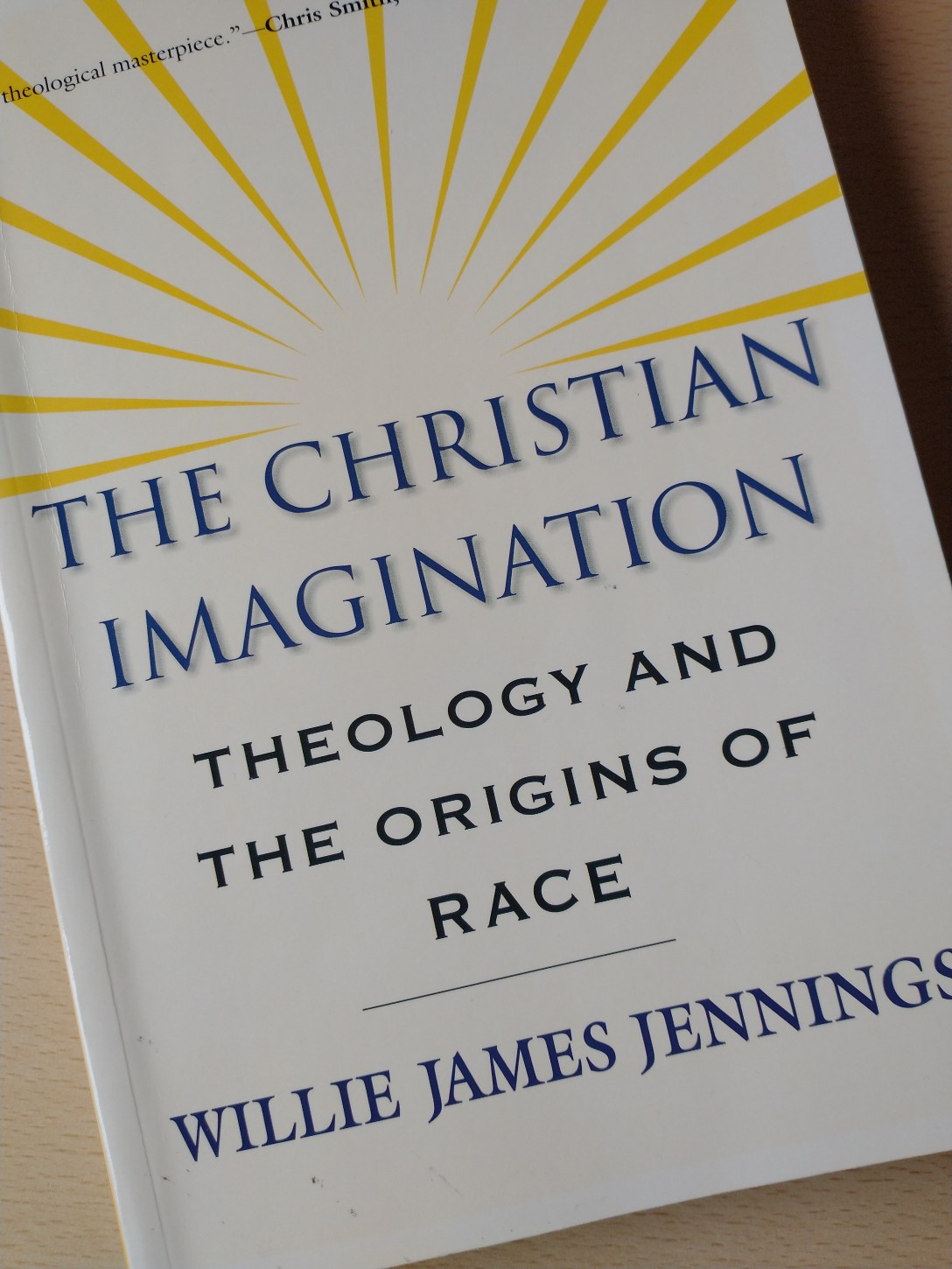
Book Review: ‘The Christian Imagination: Theology and the Origins of Race’ by Willie James Jennings.
The community formed by and around Christ should be one of strangers brought into intimate communion, a new kind of family. But what has happened to this original vision of the Church?... The Church has moved from being a community of intimacy to a community of strangers, strangers who don’t even recognise one other as fellow Christians. In his book ‘The Christian Imagination: Theology and the Origins of Race’, Willie James Jennings describes the roots of this ‘distorted relational imagination’.