
Quakers have always called each other ‘Friends,’ but what does this mean? Is ‘Friend’ just a quaint hangover from our past, or could it be a site of rich theological reflection? Emerging from my PhD research on Quaker theology and Whiteness, I’ve developed an online course for Woodbrooke reflecting on what it might mean for… Continue reading Whose Friends are we?
Tag: racism
Why God’s wrath and vengeance is necessary

I’m sure there are many of my fellow Quakers who would say that wrath and vengeance cannot possibly be part of who God is, particularly the God revealed in the life of Jesus. But what if wrath and vengeance are actually necessary aspects of the Divine? What if divine anger and retribution are good things?
The good news of sin

I want to talk about sin. Depending on what type of Quaker you are, this may seem a very un-Quakerly thing to do. The Quakers I know in Britain hardly talk about sin at all, and the first Quakers of 17th century England were very wary of anyone putting too much emphasis on sin, like the Puritans. Quakers accused Puritan ministers of “preaching up sin,” weighing people down rather than directing them to the liberating Light of Christ. I’m not a Puritan, but in this post I write about sin, and about how deeply it dwells in our flesh, so deep that escape in this life is very unlikely. I hope my Quaker forebears can forgive me.
Join me for my online course on Quaker Theology and Whiteness

Come and learn about Quaker theology and whiteness with me online. From 3 June to 8 July I'm leading a 6-week online course, with live sessions every Monday at 19:00-20:30 (UK time). If you've enjoyed my writing on Quakers, whiteness and race in the past, then you'll love this course.
Celtic Spirituality and Whiteness
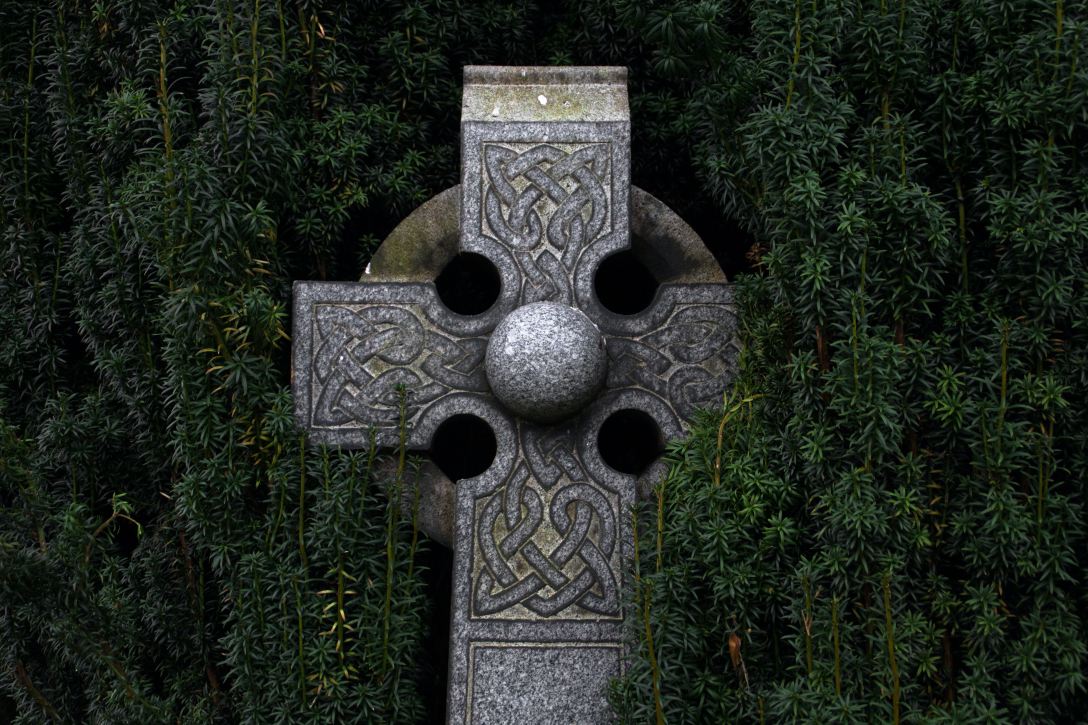
There are many positive things to be gained from an exploration of Celtic spirituality. However, as a PhD student researching theology and race, I have some observations and questions about the whiteness of Celtic spirituality to wrestle with if it is going to form a part of my faith journey.
‘They know not what they do’: James Baldwin and the crime of innocence
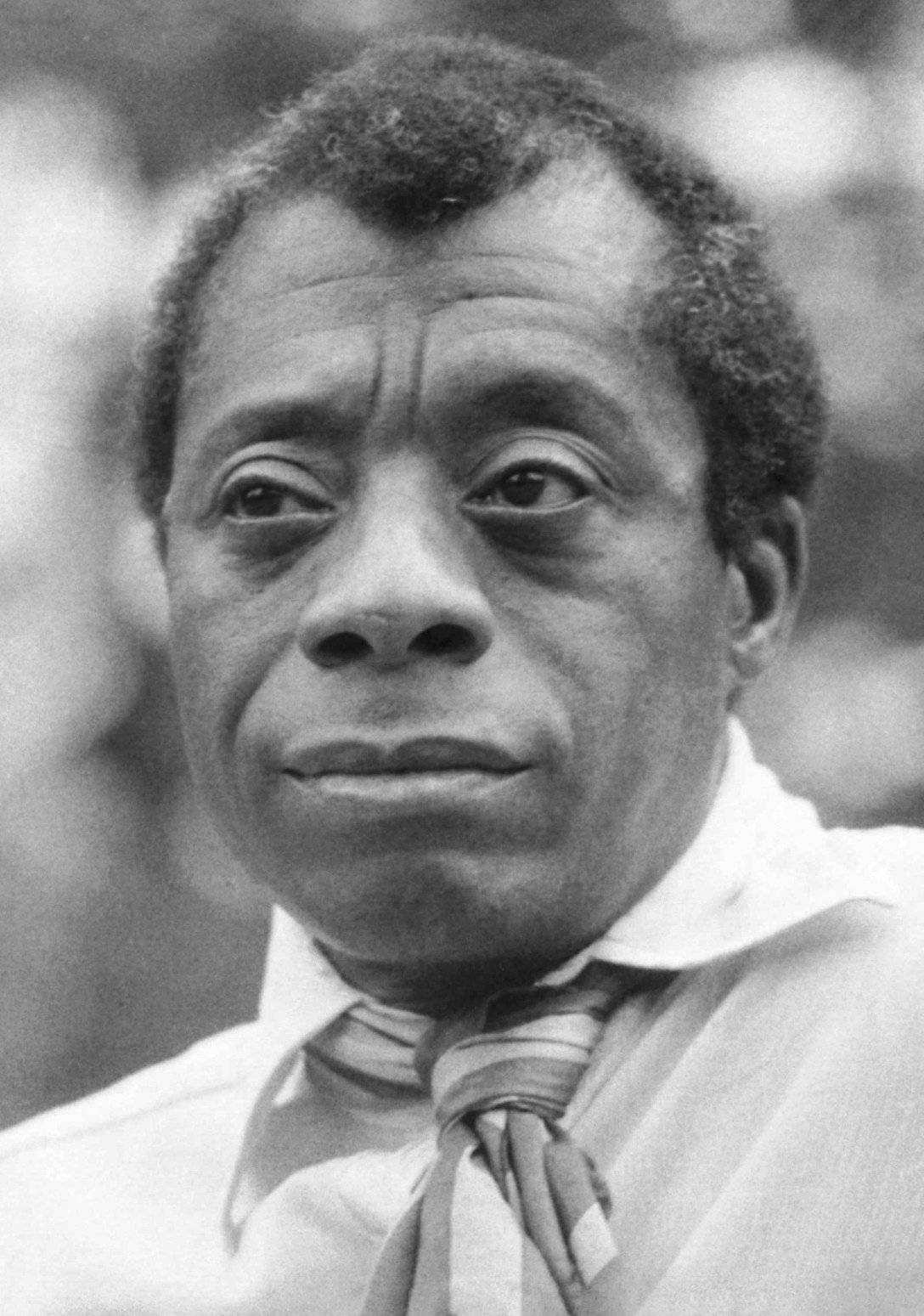
Jesus says of his crucifiers ‘Father, forgive them; for they do not know what they are doing’ (Luke 23:34)... I’ve been helped to read these words by the writer James Baldwin. In his book ‘The Fire Next Time’ (1963) Baldwin offers an important perspective on the crime of ignorance, the crime of not knowing what we are doing.
Whiteness and Quaker theological fragility

I'm pleased to announce that my article '"Why do you call me good?": Whiteness and Quaker theological fragility' has been published today in the Friends Quarterly (Issue 3, 2021). You can buy a copy of this edition here: https://thefriend.org/magazine/tfq.
Book Review: ‘The Christian Imagination: Theology and the Origins of Race’ by Willie James Jennings.
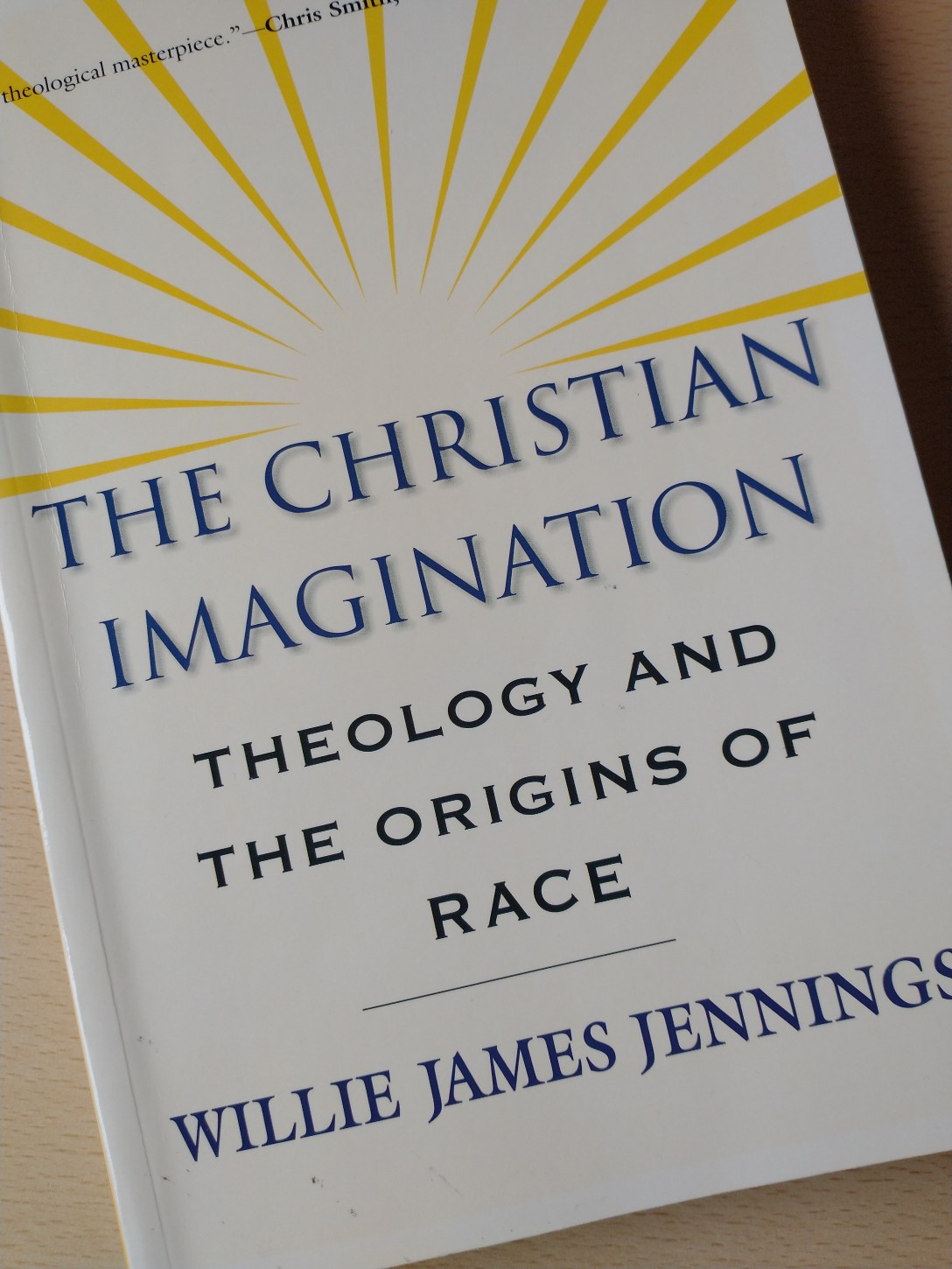
The community formed by and around Christ should be one of strangers brought into intimate communion, a new kind of family. But what has happened to this original vision of the Church?... The Church has moved from being a community of intimacy to a community of strangers, strangers who don’t even recognise one other as fellow Christians. In his book ‘The Christian Imagination: Theology and the Origins of Race’, Willie James Jennings describes the roots of this ‘distorted relational imagination’.
What does ‘Quaker Faith and Practice’ say about sin and evil?
In ‘Quaker Faith and Practice’ (Qf&p), the ‘book of discipline’ of Quakers in Britain, there is no chapter dedicated to sin or evil. Quakers are not known for their sin-talk. Early Quakers would accuse the Calvinists of ‘preaching up sin’. In Qf&p, there are Edgar B Castle’s words that ‘to contemplate evil is a poor way of becoming good’ (26.69). However, Qf&p does have quite a bit to say about sin and evil, and I’ve put this summary together as part of my work on Quakers and racism.
Institutional Racism and Quakers

If we are going to foster a Quaker culture that can name racism and discrimination, and move quickly to the defence of the victim, we have to rethink our understanding of sin. White Quakers like me have to acknowledge that, however good our intentions, we will ‘naturally’ perpetuate institutional racism. We will do this unconsciously, but we are still responsible for the damage we do. Our ability to act in a non-racist way has been perverted. Without our choosing, we are sinners.
 Jolly Quaker