Thicc places: a Quaker on pilgrimage

Two legs covered from toe to mid-shin in thick blue-black mud, standing on scrubby grass.

On the Pembrokeshire coast is the holy well of St Gwyndaf, nestled in a ferny grove on the route to St David’s Cathedral. It’s listed in Guy Hayward and Nick Mayhew-Smith’s Britain’s Pilgrim Places (2020), and I was on holiday in the area trying to see as many sacred sites as possible. On my visit to St Gwyndaf’s, I found a collection of seashells surrounding the well opening with an invitation to take one. After pocketing the shell, I felt a bit of a fraud. I was a tourist, not a pilgrim. Despite spending a week in such a beautiful corner of Wales filled with wells, churches and standing stones, I was missing the special pilgrimage ingredient, whatever that is. Inspired by this sense of lack I booked myself on to a pilgrimage to Lindisfarne, following the St Cuthbert’s Way.

Quaker approaches to hope

Small votive candles in the darkness of a cathedral.

Ask a room of Quakers what hope means to them and you’ll get a variety of answers. Ask these same Friends to describe the shared Quaker hope and it might take a while. You won’t find a section on hope in Quaker faith & practice. The most recent collective statement on hope made by Quakers in Britain, to my knowledge, is from 2009 in the context of climate change: ‘our faith in common humanity gives hope; love, rather than fear, can still lead us through this crisis.’[1] What does it mean to have faith in common humanity? Isn’t common humanity why we’re in this mess? Hope is something that Quakers today aren’t well practiced at talking about, even as situations like the climate crisis compel us to articulate what hope means.

Reflections on Britain Yearly Meeting 2024

Five dolphins underwater in the pale blue sea.

Should I keep my membership of the Religious Society of Friends? This was the question I anticipated bringing with me to Britain Yearly Meeting (BYM) at Friends House in London on a sunny July weekend. I stopped attending a local Quaker Meeting 18 months ago, and I no longer give financially to my Area Meeting. What does this mean for my status as a member? If membership means being part of the ship’s crew instead of a passenger (Qf&p 10.34) what am I now? It turns out I didn’t have to wait until BYM for an answer.

Dirty Religion

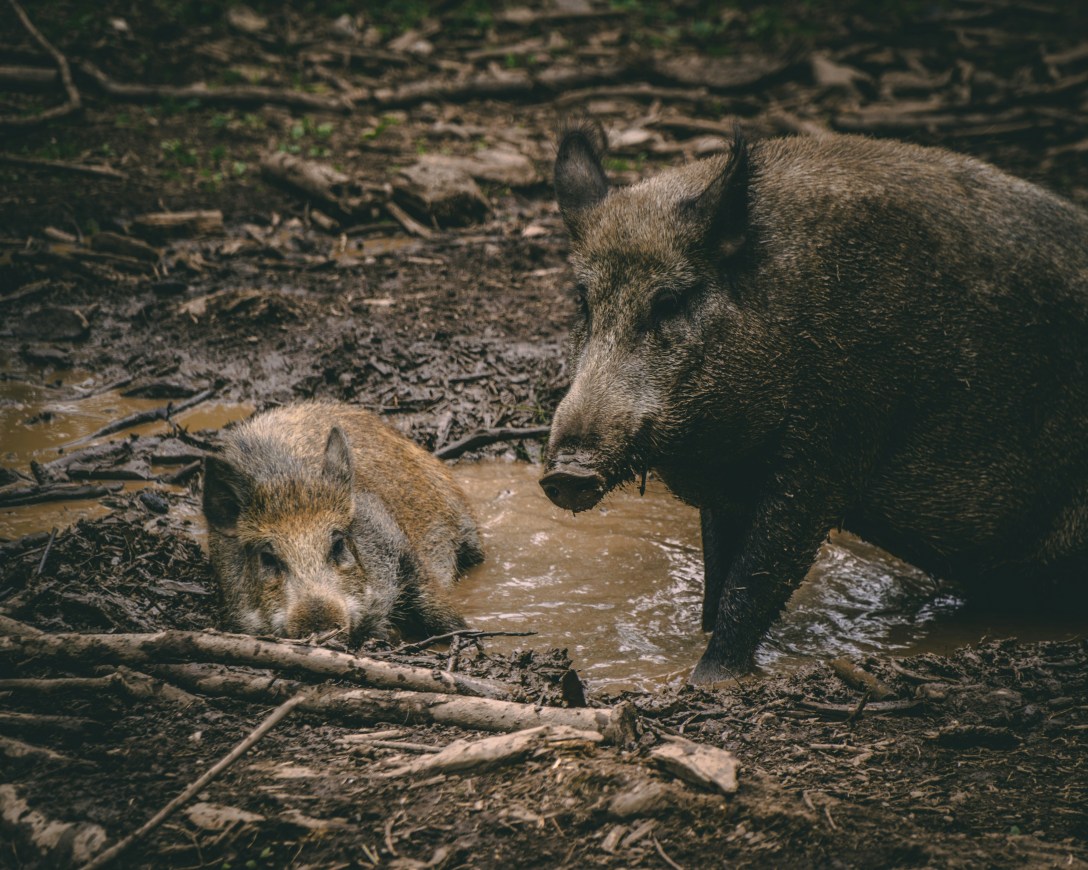
Wild board in a muddy puddle

For the last two years I’ve been experimenting with a hybrid spirituality. I’ve taken the Quakerism that has formed me so strongly over the past two decades and added in some new-monasticism, “Celtic Christianity” and neo-Druidry. I’ve called this a “patchwork” and “queer” approach to faith. Now, having read Adrian Thatcher’s Vile Bodies (2023), I’m wondering if “dirty” is another appropriate word.

The good news of sin

I want to talk about sin. Depending on what type of Quaker you are, this may seem a very un-Quakerly thing to do. The Quakers I know in Britain hardly talk about sin at all, and the first Quakers of 17th century England were very wary of anyone putting too much emphasis on sin, like the Puritans. Quakers accused Puritan ministers of “preaching up sin,” weighing people down rather than directing them to the liberating Light of Christ. I’m not a Puritan, but in this post I write about sin, and about how deeply it dwells in our flesh, so deep that escape in this life is very unlikely. I hope my Quaker forebears can forgive me.

Join me for my online course on Quaker Theology and Whiteness

Come and learn about Quaker theology and whiteness with me online. From 3 June to 8 July I'm leading a 6-week online course, with live sessions every Monday at 19:00-20:30 (UK time). If you've enjoyed my writing on Quakers, whiteness and race in the past, then you'll love this course.