Leaving Quaker Meeting and Discovering Queer Faith

Something is queer if it smudges and transgresses boundaries. Queerness takes stone walls and reveals them to be lines drawn in the sand. Queerness asks: Who drew these lines and who do they serve? Queerness delights in the blurring of edges and shows how joy and creative energy can be found in the in-between places. So a queer approach to faith is to embrace loose ends and trespass across supposedly unpassable borders, and say this is a legitimate spiritual path.

Thank you to my readers in 2022

In 2013, when I began the Jolly Quaker blog, I was a primary school music teacher and writing Quaker-shaped Christian theology was a hobby. As 2022 draws to a close, the seeds I planted a decade ago have bourn more fruit than I could ever anticipate. I started a PhD, my first book was published, and I branched out into broadcasting. I wouldn’t have gotten very far without the encouragement of people like you who’ve taken an interest in my work, so as a big ‘thank you’ for your support and the time you’ve given to reading my theologising, here’s my now customary reflection on my reading, writing and thinking over the last year.

‘Quaker Shaped Christianity’ has been launched

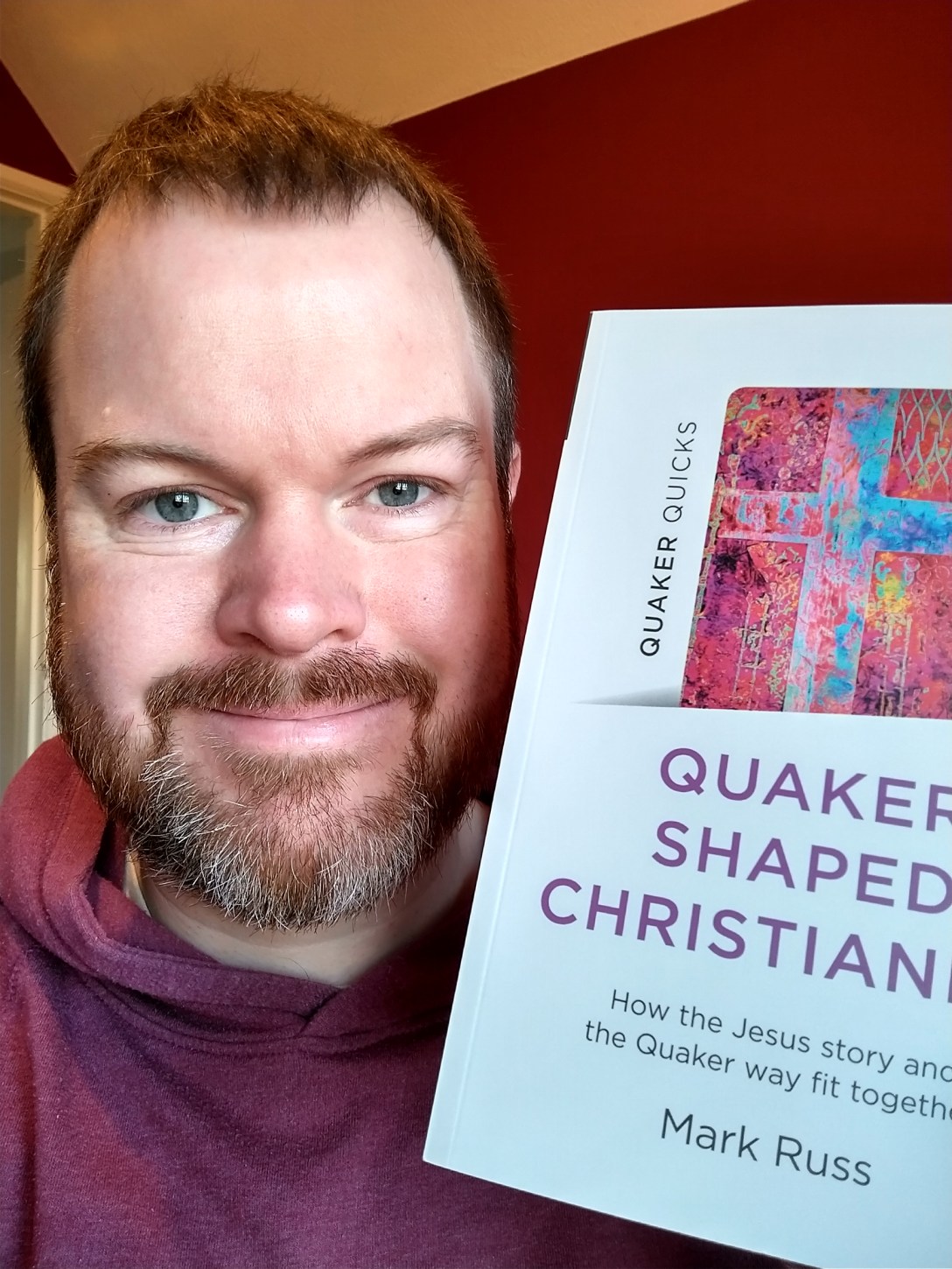
On Monday 7th December, Woodbrooke Quaker Study Centre hosted the online launch of my new book, 'Quaker Shaped Christianity'. Over 50 people attended from all over the world. Thank you to everyone who attended! The first part of the launch was recorded and is now available to watch. The recording includes a conversation between myself and Woodbrooke tutor Stuart Masters, followed by a short reading of the book.

A God who remains: ‘The Dark Womb’ by Karen O’Donnell

In her new book, ‘The Dark Womb’, Karen O’Donnell writes openly about her traumatic experience of miscarriage, ectopic pregnancy (when a fertilised egg implants itself outside of the womb) and infertility. She describes how her church community at the time failed to respond to her trauma in a theologically helpful way. This book emerges from wrestling with the disconnect between her experience and the theology on offer in the church. This book will speak particularly to those who have first- or second-hand experience of reproductive loss, but O’Donnell also invites theologians to use reproductive loss as a lens to see theological questions in a fresh way.